
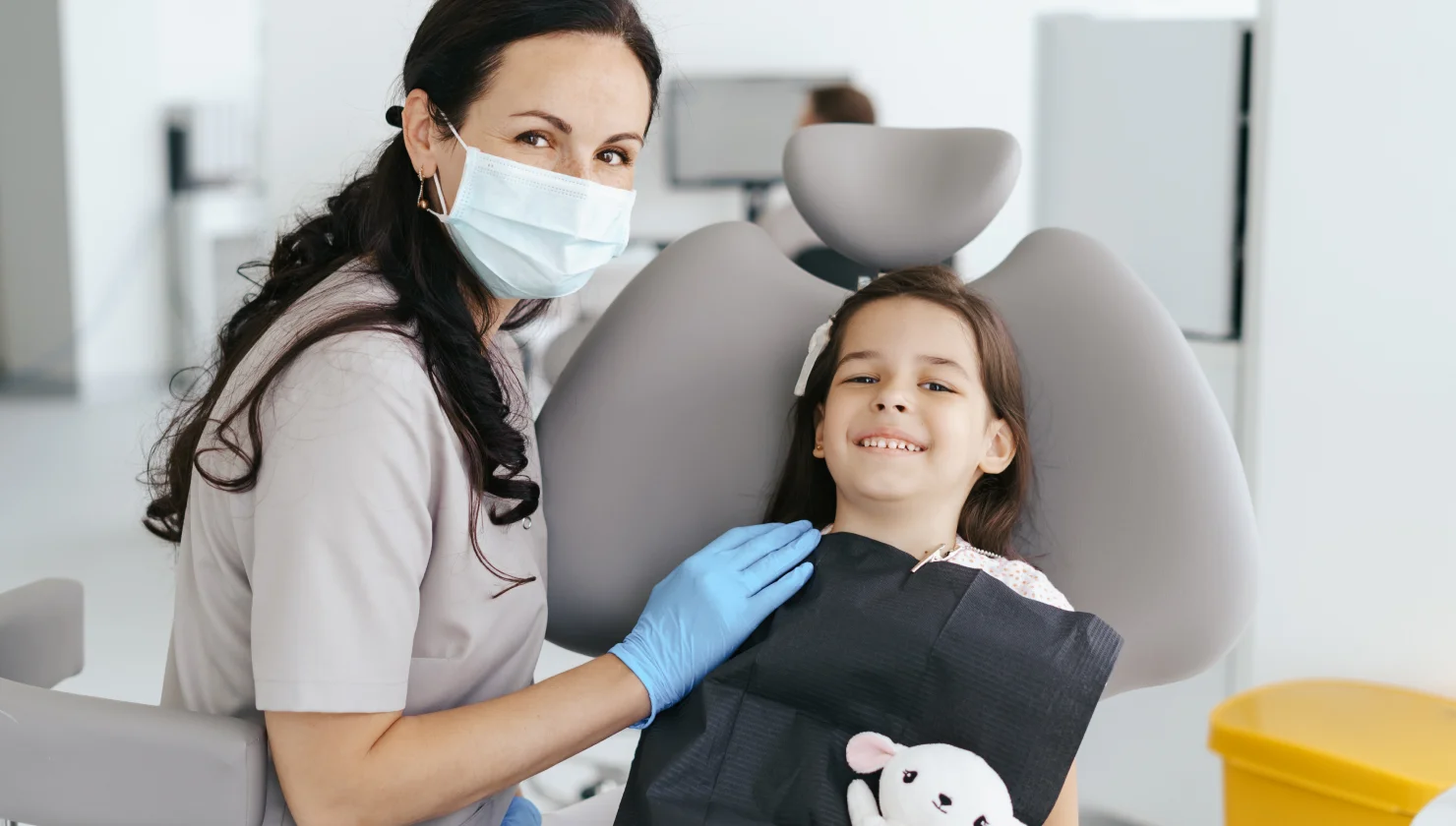
9 Signs Your Child Should See A Pediatric Dentist

Arnold Gallardo
June 11, 2026
9 Signs yourchild should see a Pediatric Dentist
If your child is experiencing any of the following signs, it’s important to schedule an appointment with a pediatric dentist as soon as possible:
1. Severe toothache or discomfort: Your child should complain about severe toothaches that make them unable to eat or drink without pain.
2. Developmental milestones delayed: Some developmental milestones (such as starting school) can impact the development and eruption of teeth. Delayed or missed dental developments may indicate orthodontic issues and require prompt attention from a pediatric dentist.
3. Large or protruding teeth: A protrusion or visible tooth gap between teeth in a child’s mouth that causes concern among other people they interact with
4. Frequent bad breath or excessive drooling: Excessive drool, foul-smelling breath, and difficulty swallowing are often signals of underlying dental issues like gum disease or acid reflux.
5. Difficulty or inability to bite into solid foods: Poor chewing skills due to misaligned, crooked, or crowded teeth, can lead to difficulties in feeding and might also negatively affect their overall development during early childhood.
6. Mouth sores or bleeding: Sores and lesions on the lips, cheeks or gums could be the result of poor oral hygiene or recurrent mouth infections
7. Persistent bad taste in the mouth or sensitivity to hot/cold: Teeth sensitivity is frequently caused by improper brushing technique, causing tooth enamel to weaken and exposed dentin underneath. Such symptoms can improve when good dental habits are resumed.
8. Foreign objects stuck between teeth: Objects such as bits of food, toys, etc., lodged between the teeth or gums, can cause significant damage if not removed promptly.
It’s essential to address these signs timely and seek medical advice to prevent and manage dental problems at an early stage, which will promote effective treatment and prevention for your child’s dental health.
Remember, Good Oral Hygiene Involves:
Consistent oral hygiene habits are essential for maintaining good dental health. They include regular brushing, flossing, and rinsing with mouthwash to remove food particles, bacteria, and plaque from teeth and gums. Poor oral hygiene can lead to tooth decay, gum disease, bad breath, and other dental problems that can impact overall health and wellbeing. Therefore, prioritizing proper oral hygiene practices should be a priority for individuals who want to achieve optimal dental health and maintain their beautiful smiles.